THE ISSUE

THE GREEN RIVER VALLEY
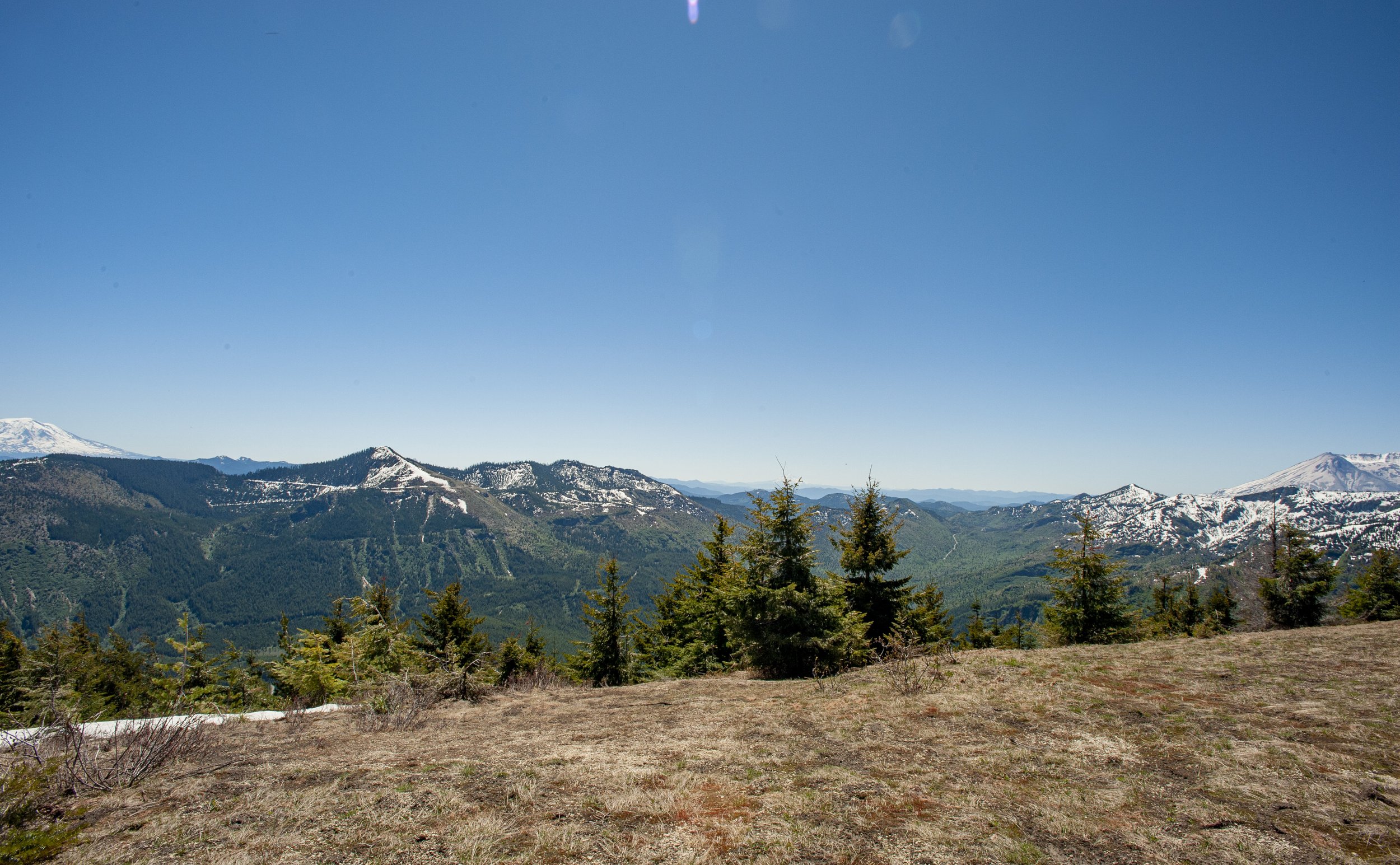
Lying in the shadow of Mount St. Helens, the Green River Valley is an incredibly beautiful and important corner of SW Washington. The area is beloved by many for its scenic views, remote and peaceful location, and boundless outdoor recreation opportunities. The Green River provides habitat for endangered steelhead, supports a wide range of wildlife, and supplies fresh drinking water to downstream communities. The area has important historical and cultural significance to the local tribes and supports the local economy through the outdoor recreation and tourism industries.

THE MINE THREAT
The Green River Valley has been under threat of a proposed copper, gold, and molybdenum mine for the past 20 years. So far, the Cascade Forest Conservancy has successfully prevented this project from moving forward through legal action… but Cambria Gold Mines (formerly Ascot Resources), is determined to move forward and is not showing any signs of stopping their efforts.
Photo: Silver Bell copper mine, Silver Bell, AZ - USGS

A THREAT TO TRIBES
This landscape has significant historical and cultural value to the local Indigenous communities, including the Cowlitz Indian Tribe and the Confederated Tribes and Bands of the Yakama Nation. On September 11, 2013, Mount St. Helens was officially listed in the National Register of Historic Places as a Traditional Cultural Property of both the Cowlitz and the Yakama Nation. The Green River Valley lies within the cultural and traditional use territories of these Native Nations. Native people have profound cultural and spiritual connections to this place; a connection that has been maintained since time immemorial. The mountain has provided a source of cultural continuity, representing a key figure in the oral traditions that define the history of the people of this area, standing prominent as a monumental figure. The mountain has been a place where Native people have sought spiritual guidance and harvested traditional foods, materials, and medicines. The construction of an exploitative and extractive hardrock mine in the Green River Valley would be particularly costly to the citizens of the Cowlitz Indian Tribe and the Yakama Nation, whose ability to continue to exercise their way of life, traditions, and customs would be irreversibly impacted by exploitation of this legendary site.

A THREAT TO WATER, FISH, AND PEOPLE
If the mine is built, polluted groundwater and potential tailing pond breaches of toxic mining waste would threaten the Green River and the life that depends on it. The Green River is an important habitat for many species, a gene bank for wild steelhead, one of Washington’s first Outstanding Resource Waters, and is eligible for a Wild and Scenic River designation.
This area remains very seismically active, increasing the chances that a tailing pond breach will lead to a disaster for communities in SW Washington.

A THREAT TO RECREATION
The construction of a mine in the Green River Valley would have dramatic impacts on recreation. Noise pollution would disrupt any sense of peace and quiet in this beautiful and remote corner of the Cascades and the mine itself would cut off access to a number of trails that are beloved by many who visit the area to go hiking, mountain biking, back-country horse riding, botanizing, foraging, hunting, angling and more. The proposed mine site also sits on land that was purchased by the Forest Service using money from the Land and Water Conservation Fund for the explicit purpose of supporting conservation and outdoor recreation. In short this mine would devastate recreation opportunities and negatively impact tourism to the area.
OUR SOLUTION: A MINERAL WITHDRAWAL
To prevent the devastation that a mine would bring, the Green River Valley Alliance is fighting to secure a mineral withdrawal. A mineral withdrawal is a federal land management tool that prohibits mining activities within a given boundary. This designation does not impact other activities such as recreation, trail maintenance, or timber harvesting.
Our proposed mineral withdrawal boundary is just over 46,000 acres and was developed by assessing mining impacts to the watershed as a whole and was also guided by the original proposed boundary for the Mount St. Helens National Volcanic Monument.

AN ALLIANCE AT WORK
While we fight against the latest development efforts, w e are continuing to pursue a legislative mineral withdrawal, meaning we will ultimately need to secure this withdrawal through an Act of Congress. Fortunately, we have great examples of groups successfully securing a mineral withdrawal through the legislative process, even here in Washington! One thing that each of these efforts have in common is that they start at the local level and build upwards by securing the support of a wide variety of individuals, businesses, organizations, and policymakers. The Green River Valley Alliance was created to provide a space for those individuals and groups to collaborate and work together towards a shared vision of the future where the Green River Valley is permanently protected against the threat of mining.